Cosmetic Dentistry · 5 min read
Porcelain Veneers vs. Bonding: Which Is Right for You?
Both can transform a smile. Here is how to decide between the quick fix and the long-term upgrade.

Medically reviewed by Dr. Ramin Khoshsar, DDS, DMD
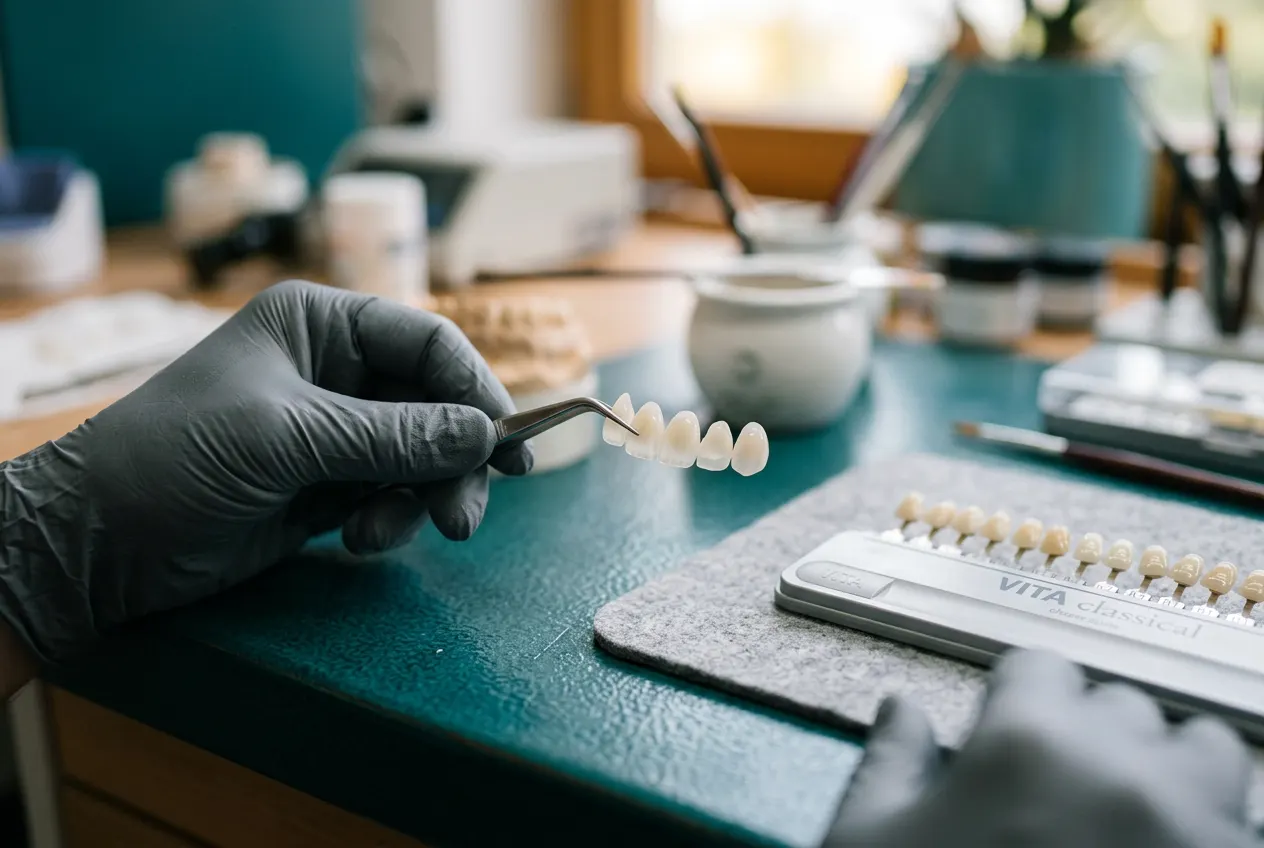
Composite bonding and porcelain veneers both improve the shape and color of teeth, but they differ in durability, cost, and how they age.
Composite bonding
Bonding uses tooth-colored resin sculpted directly onto the tooth in a single visit. It is ideal for small chips, minor gaps, and younger patients.
- Usually one visit
- Lower upfront cost
- Stains and wears sooner (roughly 5–7 years)
- Easily repaired
Porcelain veneers
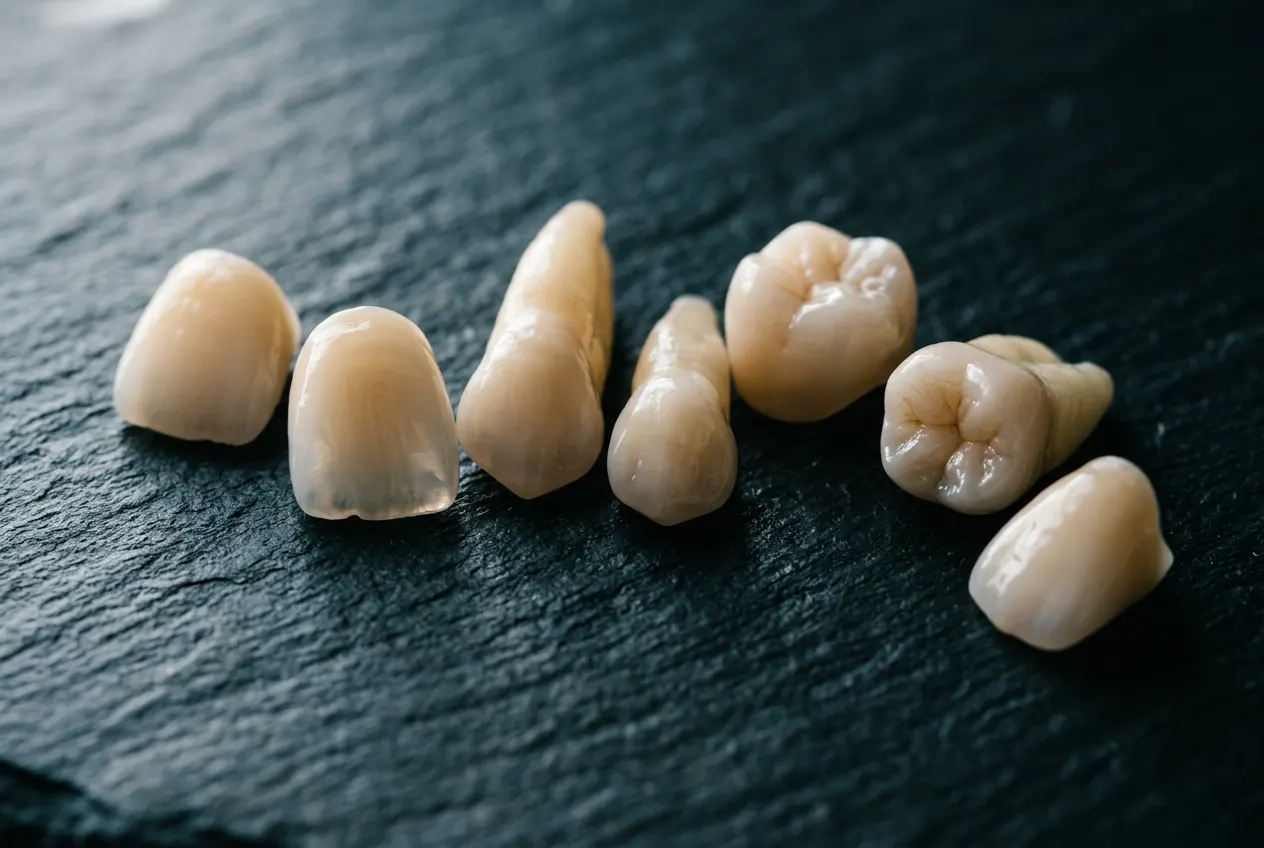
Veneers are custom-crafted in a lab and bonded to the front of teeth. They deliver the most dramatic, lifelike changes.
- Two to three visits
- Highly stain resistant
- Often last 10–20 years
- Best for larger changes in color and shape
Our recommendation
For one or two small chips, bonding is often perfect. For a full smile transformation—or if you want results that stay bright—porcelain veneers are usually the better long-term value. A consultation with a digital smile preview is the best way to decide.
This article is for general education and is not a substitute for an in-person exam. Pricing ranges are estimates; your exact fee depends on your diagnosis.